
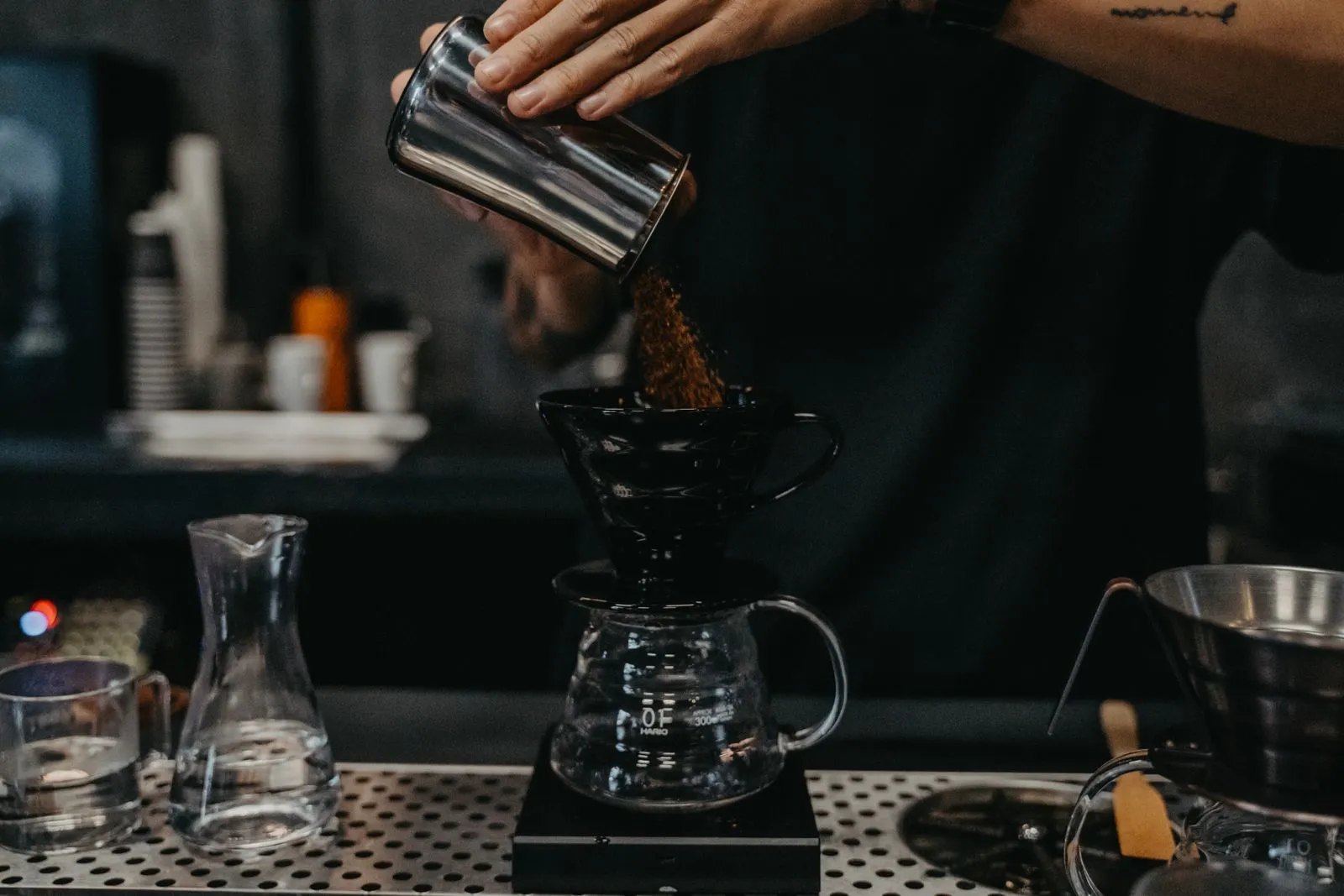
Pour-over coffee can taste bright and delicate one day, then flat or harsh the next. The difference often comes down to how water moves through the grounds and what it extracts along the way. Water temperature, grind size, and pouring technique all influence a cup’s sweetness, acidity, body, and bitterness. Understanding these variables helps you make a more consistent brew at home—and notice why a carefully prepared pour-over can reveal distinct qualities in a coffee’s origin.
Water Temperature Sets the Pace
Hotter water generally extracts coffee more quickly, while cooler water slows extraction. If the water is too cool, the cup may taste thin, sour, or underdeveloped. If it is excessively hot for the coffee and brewing setup, the result can seem harsh or overly bitter. A useful starting point is water just off the boil, then adjust based on the flavor rather than relying on a single rule.
Keep other variables steady while testing temperature. Use the same coffee dose, grind, and pour pattern, and change only the water temperature between brews. If the coffee tastes sharp and lacks sweetness, try slightly hotter water. If bitterness or dryness dominates, try slightly cooler water. Small, controlled adjustments make it easier to identify what improves the cup.
Grind Size Controls Flow
Grind size affects how quickly water passes through the coffee and how much surface area is available for extraction. A finer grind usually slows the flow and extracts more; a coarser grind tends to let water drain faster and extracts less. When the grind is poorly matched to the dripper or pouring style, the cup may taste weak, sour, bitter, or uneven.
Start with a medium grind and pay attention to both taste and drawdown. If the brew runs very quickly and tastes thin or sour, try grinding a little finer. If it drains slowly and tastes bitter or dry, move coarser. Change the setting in small steps, and use freshly ground coffee when possible so the grounds are more uniform.
Pouring Technique Shapes Extraction
Pouring affects how evenly water reaches the grounds. Begin with a small amount of water to wet all the coffee, then pause briefly to let trapped gas escape. This bloom can help prepare the bed for the main pour. Afterward, pour steadily in controlled circles, aiming to wet the grounds without splashing water onto the filter’s sides.
A very forceful pour can disturb the coffee bed and create uneven flow. Pouring only in one spot may leave other areas less evenly extracted. Use a gentle, consistent stream and keep the water level reasonably steady. A gooseneck kettle can help with control, but a careful, gradual pour matters more than specialized equipment.
Adjust One Variable at a Time
For a repeatable cup, measure the coffee and water, use the same dripper and filter, and keep notes on your results. Record the grind setting, water temperature if known, and approximate brew time. Taste the coffee before making another brew. This simple routine helps you connect a flavor change to a specific adjustment instead of guessing at several variables at once.
Let flavor guide the next step. Sourness or a watery finish can point to insufficient extraction; strong bitterness or a drying aftertaste can suggest too much. These clues are not absolute, because each coffee behaves differently, but they offer a practical direction. Adjust grind, temperature, or pouring technique gradually until the cup tastes balanced to you.
Pour-over flavor comes from the interaction of water temperature, grind size, and pouring technique. Keep your method consistent, taste carefully, and adjust one detail at a time to bring out the character you enjoy. If you’re in Sheffield, stop by Sheffield Pour House to explore how different single-origin coffees express themselves in the cup.